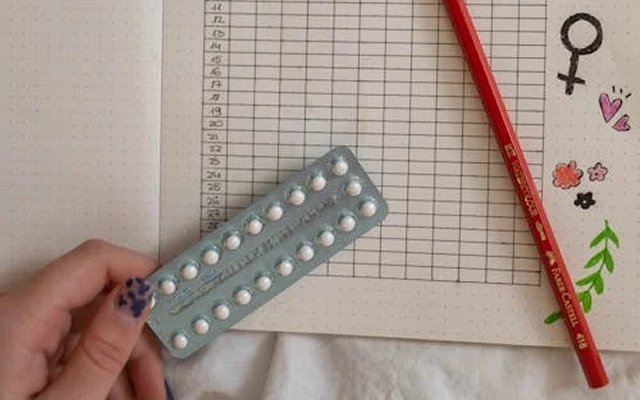
At the initiative of Public Health France, 2,800 men and women aged 15 to 29 were surveyed about their knowledge of emergency contraception.
The results reveal that their knowledge is far from sufficient, both regarding the time frame for taking the so-called "morning-after pill" and the health risks associated with its use.
A complete lack of understanding of emergency contraception
For example, among those under 30, 40% believe that emergency contraception is only effective within 24 hours of intercourse. As a result, these young women may abandon the idea of using emergency contraception because of this misconception... when in reality, emergency contraception can be taken up to 5 days after unprotected or inadequately protected sex. Only 1% of those surveyed knew this correct information.
One small point to note, however: the effectiveness of the "morning-after pill" is greater the sooner it is taken, ideally within 12 hours, but the time frame depends on the method used.
From 72 hours to 5 days
To elaborate: Levonorgestrel-based pills are effective for up to 72 hours, and ulipristal acetate-based pills can be effective for up to 5 days after intercourse. The copper intrauterine device (IUD), a lesser-known emergency contraceptive, also has the advantage of providing long-term contraception, but its insertion requires an appointment with a gynecologist, midwife, or general practitioner.
Beware of Misconceptions
Regarding risks, more than half of those under 30 believe that emergency contraception is harmful, a belief even stronger among 20-24 year olds, who are highly exposed to the widely publicized crisis of distrust surrounding contraceptive pills.
On the other hand, those under 30 are well aware of the current procedures for obtaining emergency contraception: free, anonymous distribution without parental consent for minors, and the possibility of purchasing it without a prescription at a pharmacy for adult women.
 Sophie DE DUIERY & Arnaud BEAUSSIER Sophie DE DUIERY & Arnaud BEAUSSIER
|
 07/12/2021 |





































 Anglais
 Arabic
 Deutsch
 Français
 Español
 Italien
 Português
 Russian